

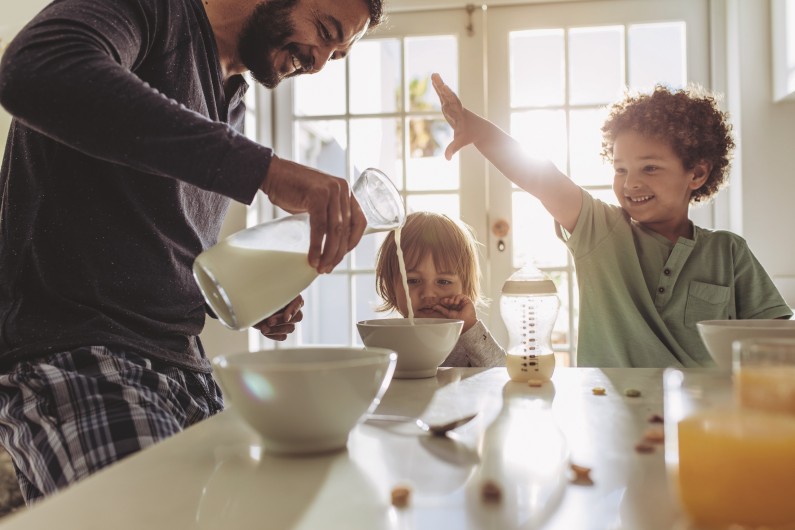
The upside of lockdowns? Finding more time.
Published: 19 December 2021
The Upside of Lockdowns: Finding More Time and Reconnecting With What Matters
By Louise Zacest, Chief Executive, UniMed
Lockdowns were challenging for all of us — personally, professionally, and as a country. They disrupted routines, affected livelihoods, and created uncertainty. But alongside the difficulties, many people also discovered unexpected positives. With life slowing down, we gained something we often struggle to find: time.
More time for the things we enjoy
According to the World Economic Forum, 83% of people used lockdowns as an opportunity to do more enjoyable activities, and 65% said they spent more time outdoors. With commutes on pause and schedules simplified, many of us rediscovered hobbies, movement, and creativity.
Some people took up new interests like painting, crochet, or baking. Others embraced online fitness classes, yoga, or running. For me, it meant taking our dog on long walks we never seemed to have time for before.
A boost for health and the environment
With restaurants closed and takeaways limited, home cooking made a comeback. Many families reported eating more nutritious meals and feeling healthier as a result.
Nature also benefitted. Reduced travel and commercial activity meant lower carbon emissions, quieter coastlines, and a noticeable lift in wildlife activity — especially marine life. It was a reminder of how quickly the environment can respond when human activity slows down.
Stronger family connections
Parents often tell me that lockdowns gave them precious time with their children — moments they might never have experienced in the rush of everyday life. Board games, backyard adventures, shared meals, and simple conversations became daily rituals.
These slower, more intentional moments helped many families reconnect in meaningful ways.
What lockdowns taught us about balance
Australian psychologist Michael Inglis, co‑founder of The Mind Room, notes that lockdowns gave many people the chance to reflect on what truly matters. Without long commutes or packed schedules, people found more time to exercise, cook, rest, and reset.
It raises an interesting question: despite the hardship, did lockdowns help some of us find a healthier balance?
Of course, the economic and mental health impacts were significant, and many people are still navigating those challenges. But the practical and emotional benefits of a slower pace — combined with the flexibility of remote work — have reshaped expectations of work and life.
Creating a better way forward
Perhaps the future lies in blending the best of both worlds: the connection and collaboration that comes from being together in person, and the flexibility that allows people to manage their time, energy, and wellbeing more effectively.
Businesses will continue to face pressure as they recover, and people will need support as they navigate ongoing uncertainty. But if lockdowns taught us anything, it’s that time — when we have it — can be one of our most valuable wellbeing tools.
As we head into the holiday season, I hope you find moments to slow down, reconnect with loved ones, and enjoy the simple things that bring joy.
Ngā mihi nui,
Louise Zacest
Chief Executive, UniMed
For more wellbeing insights, visit our Health Insights Hub.